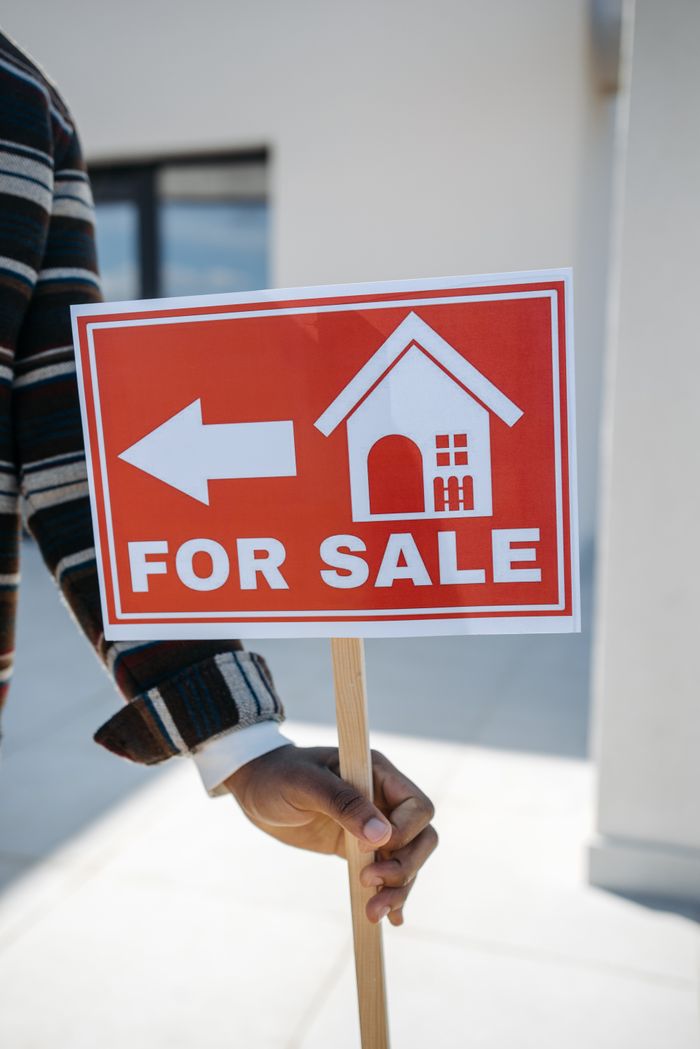
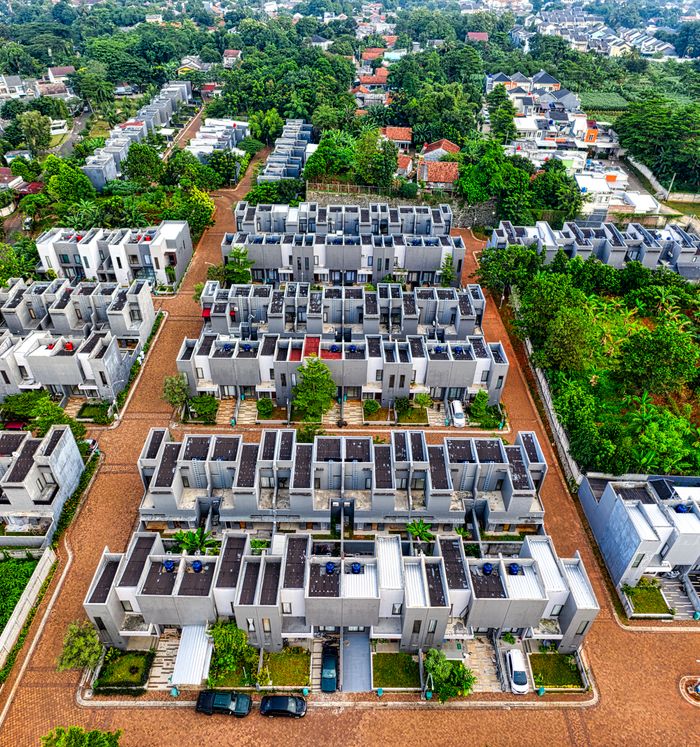
Landed property can be an attractive option for buyers who want more space, greater privacy, and control over their property. It can also serve as a long-term home or investment. However, owning a house with land comes with responsibilities that buyers need to understand before making a purchase.
Whether you are buying for personal use or investment, the right decision depends on more than the appearance of the property or its asking price. You need to consider ownership, location, permitted use, maintenance costs, potential value, and the condition of both the building and the land.
Why Do People Buy Landed Property?
One of the main reasons people buy landed property is the combination of a building and the land it occupies. Compared with many apartment properties, a landed home can provide more private space and greater control over how the property is used, subject to planning regulations and the terms of ownership.
More Space and Privacy
Landed homes often provide outdoor space such as a compound, driveway, parking area, garden, or yard. This can be especially useful for families who need additional room or want more privacy than they might get in an apartment building.
The extra space can also make the property more adaptable to changing needs. For example, a homeowner may have room for additional parking, outdoor activities, or future improvements where permitted.
Greater Control Over the Property
Another attraction is the potential to modify or improve the property. Depending on local planning rules and the property’s title, an owner may be able to renovate the house, extend existing structures, or develop additional parts of the land.
However, owning landed property does not automatically give you permission to build whatever you want. Proposed developments may require planning approval or may be restricted by zoning, building regulations, easements, or other conditions. These should be confirmed before buying if future development is part of your plan.
Potential for Long-Term Value
Some buyers choose landed property because they see it as a long-term asset. Property values can be influenced by factors such as location, infrastructure, demand, accessibility, and the condition of the property.
That said, buying landed property does not guarantee appreciation. A property with poor access, weak demand, unresolved ownership issues, or expensive maintenance requirements may be difficult to resell. Buyers should therefore assess the property’s fundamentals rather than assuming that land will automatically increase in value.
Rental and Investment Potential
Landed property can also generate rental income when the location and property type support sufficient demand. An owner may rent out the entire house or, where legally and practically appropriate, use different parts of the property for rental purposes.
Before treating a property as an investment, compare its expected rental income with the total cost of ownership. This includes the purchase price, financing costs, maintenance, repairs, taxes or charges, management expenses, and possible periods when the property is vacant.
A Practical Example
Consider a family looking for a three-bedroom home in an area where they expect to live for many years. They choose a landed property because they want parking, outdoor space, and the possibility of expanding the home as their needs change.
Rather than choosing the property solely because it looks attractive, they compare its price with similar homes nearby, verify the ownership documents, inspect the building, assess the accessibility of the area, and investigate whether future development is permitted.
In this case, the value of the property is not simply the house itself. The family is also paying for the land, privacy, usable space, flexibility, and the possibility of long-term ownership.
Landed Property vs. Other Types of Property
Understanding how landed property differs from other real estate options can help you decide which type of property is more suitable for your budget and objectives.
The key differences usually involve ownership, space, maintenance, flexibility, permitted use, and total cost.
Landed Property vs. Apartment
A landed property generally consists of a building associated with its own parcel of land, while an apartment is usually one residential unit within a larger building or development. The exact ownership arrangement can vary, so buyers should always examine the title and legal structure of the particular property.
Apartments may be more suitable for buyers who prioritize convenience, shared facilities, central locations, or lower responsibility for maintaining the entire building and surrounding grounds. Landed property may be preferable for someone who values privacy, outdoor space, parking, and greater control over the property.
If you are deciding between the two, consider your priorities rather than assuming one is automatically better. A buyer who wants a low-maintenance lifestyle may prefer an apartment, while a family that needs more space and privacy may find a landed home more suitable.
Landed Property vs. Vacant Land
Landed property with an existing building is different from vacant land. With a completed property, you can potentially occupy or rent out the building sooner, although you may also inherit maintenance and renovation costs.
Vacant land gives you more freedom to design and build from scratch, but development takes additional time, money, and planning. You may need to account for construction, professional fees, infrastructure, approvals, and other development costs.
The better option depends on whether you want a ready-to-use property or prefer to develop the land according to your own plans.
Landed Property vs. Commercial Property
“Landed property” and “commercial property” describe different aspects of real estate. Landed refers primarily to the relationship between a building and the land it occupies, while commercial generally refers to the property’s intended use.
For example, a standalone house can be a landed residential property. A standalone building used for an office, shop, or other business activity may also involve land ownership, but its permitted use depends on the property’s legal and planning status.
This distinction is important because owning a property does not necessarily mean you can use it for any purpose. If you intend to operate a business from a property, confirm its permitted use before completing the purchase.
What to Check Before Buying Landed Property
Once you have decided that landed property suits your needs, the next step is to verify that the specific property is worth buying. Do not base the decision solely on the house’s appearance, location, or asking price.
The first priority is to establish that the seller has the legal right to sell the property.
Verify Ownership and Property Documents
Ask for the relevant ownership and property documents and have them independently verified. Depending on the property and jurisdiction, these may include a title document, deed, survey plan, approved building plans, or other evidence of ownership.
Do not assume that documents provided by the seller are automatically valid. A qualified property lawyer or the appropriate land authority can help verify ownership, identify encumbrances, and confirm whether the property’s records match what is being offered for sale.
Confirm the Location and Boundaries
The physical property should correspond with its documentation and survey records. Visit the site and confirm the plot size, boundaries, access route, neighboring properties, and other important features.
This step can uncover issues that are not obvious from photographs or property listings. Boundary disputes, encroachments, restricted access, or differences between the advertised property and the actual site can create significant problems after purchase.
Check Planning and Development Restrictions
If you intend to renovate, extend the building, add another structure, or use the property for business, find out what is legally permitted before you buy.
Planning rules, zoning, building setbacks, road expansions, environmental restrictions, and other requirements can affect how you use the property. A property may appear ideal for your plans but prove unsuitable if the intended development is not permitted.
Inspect the Building and Land
A professional inspection can help you identify problems that may not be visible during a normal viewing. Pay attention to the building’s structure, roof, plumbing, electrical systems, drainage, water supply, access roads, and general condition.
The land itself also needs attention. Consider drainage, flood risk, accessibility, utilities, surrounding development, and any physical conditions that could affect future use or construction.
For an older or high-value property, hiring an appropriately qualified building professional can be worthwhile, particularly if you are considering major renovations.
Calculate the Total Cost of Ownership
The advertised price is only the starting point. Depending on the transaction, additional costs may include legal and professional fees, searches, documentation, taxes or government charges, agency fees, repairs, renovations, security, and ongoing maintenance.
This matters when comparing properties. A house with a lower asking price may ultimately cost more if it requires extensive repairs or has high ongoing expenses.
A Practical Buying Example
Imagine finding a three-bedroom house in a desirable neighborhood at a price that fits your budget. The property looks well maintained, and you are considering paying a deposit immediately.
During the verification process, however, you discover that the seller’s documents do not fully correspond with the property’s survey details. A physical inspection also shows that part of the driveway crosses onto neighboring land.
These findings change the buying decision. Instead of focusing only on the attractive house and asking price, you now have to resolve questions about ownership and access. If those issues cannot be satisfactorily resolved, walking away may be safer than taking on a potentially costly dispute.
Make the Decision Based on More Than Price
Before buying landed property, make sure you can confidently answer four questions:
- Who legally owns the property?
- Does the property’s documentation match the land and building being sold?
- Can you legally use or develop the property as intended?
- What will the property actually cost after purchase and ongoing expenses?
If any of these answers are unclear, pause the transaction and seek independent professional advice. Resolving problems before purchase is usually far easier than dealing with ownership, boundary, planning, or structural issues after you have paid.